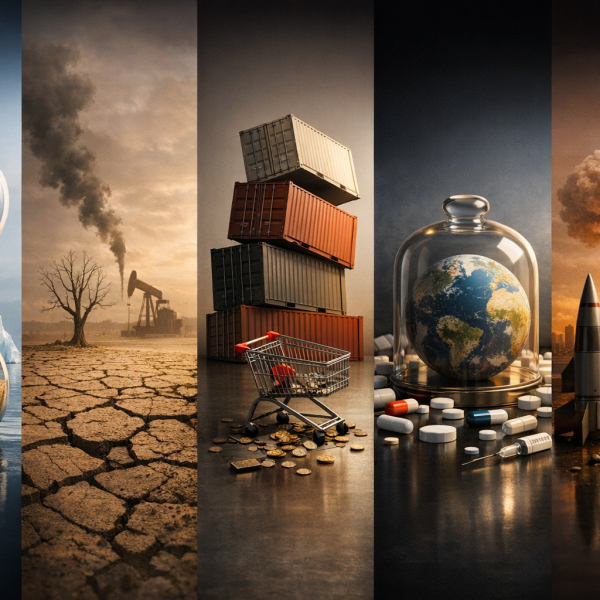
Understanding the modern world can feel overwhelming, especially when global headlines are packed with conflict, crises, and fast-changing situations. Yet many of the most complex world events can be unpacked clearly when we set politics aside and focus on technology, economics, logistics, and human behavior. In this article, we break down five major types of global events in simple, neutral terms so you can understand what is really happening beneath the dramatic headlines.
1. Global Supply Chain Disruptions
Supply chains are the networks that move products from raw materials to finished goods and finally to store shelves or your doorstep. They involve factories, warehouses, cargo ships, trucks, planes, and digital systems that track everything along the way. When this intricate system is disrupted, the effects ripple worldwide: delayed deliveries, higher prices, and sometimes empty shelves.
Several key factors cause supply chain disruptions:
- Natural disasters that damage key ports, roads, or manufacturing hubs.
- Health emergencies that shut down factories and reduce available workers.
- Sudden shifts in consumer demand, such as spikes in remote work equipment or medical supplies.
- Shortages of critical components, like microchips, that halt entire production lines.
Technology and logistics optimization are crucial for managing these events. Real-time tracking systems, predictive analytics, and automated warehouses help companies react faster when something goes wrong. Cross-border operations also require accurate communication in many languages, where tools like a best translation management system play a vital role in keeping documentation and instructions aligned across regions.
2. Global Pandemics and Public Health Crises
A pandemic is a disease outbreak that spreads across multiple countries or continents. The complexity of a pandemic is less about politics and more about biology, mathematics, and logistics. Viruses spread through human contact, and how quickly they move can be described using basic concepts like reproduction numbers (how many people one infected person typically infects) and incubation periods (how long it takes symptoms to appear).
Key elements that shape the impact of a pandemic include:
- Transmission methods, such as airborne droplets or surface contact.
- Healthcare capacity, including hospital beds, doctors, and medical equipment.
- Speed of scientific research in identifying the pathogen, developing tests, treatments, and vaccines.
- Global mobility through air travel and trade, which can rapidly spread infectious diseases.
Public health systems rely on data modeling to anticipate case surges and allocate resources. Diagnostic labs, hospitals, and research centers exchange vast amounts of data across borders, which requires clear protocols, standardized reporting formats, and fast information flow. This coordination, grounded in science and logistics, explains why some regions are better prepared to respond swiftly and effectively during health emergencies.
3. Energy Crises and Resource Shortages
Energy crises occur when the supply of fuel, electricity, or other essential resources can no longer keep up with demand. This imbalance can result from aging infrastructure, rapid population growth, sudden production outages, or disruptive events such as accidents and natural disasters. The everyday result is familiar: rising energy bills, power outages, and pressure on manufacturing and transport.
There are three main dimensions to energy-related events:
- Physical infrastructure, including power plants, pipelines, storage facilities, and transmission lines. These are expensive to build and maintain, and failures can cause cascading problems.
- Energy mix, or the combination of sources used, such as fossil fuels, nuclear, and renewables like wind and solar. Each source has its own cost, reliability, and environmental profile.
- Demand patterns, driven by industry, transportation, and household use, which can vary by season and economic activity.
When demand spikes or supply drops, markets respond through pricing and rationing. In the long term, many regions invest in diversifying energy sources, improving grid resilience, and enhancing storage technologies such as batteries and pumped hydro. This technical transformation explains why you see more solar farms, wind turbines, and energy-efficient technologies being adopted worldwide.
Complex events become tractable when you separate the mechanism from the commentary around it, and that discipline is worth applying to financial markets too. The tools people use to follow markets shape what they see, often more than the events themselves do. A neutral look at day trading apps is a good example of examining the mechanism rather than the noise.
4. Currency Fluctuations and Economic Shocks
Global markets are interconnected, and currencies act as the foundation of international trade and investment. When a currency rises or falls sharply in value, it can create ripple effects across entire economies. These movements can affect import and export costs, loan repayments, tourism, and even the day-to-day prices of common goods.
Currency values are influenced by:
- Interest rates, which affect how attractive a currency is to international investors.
- Trade balances, meaning whether a country exports more than it imports or vice versa.
- Market expectations about future growth, inflation, and stability.
- Global investor behavior, where large funds move capital in and out of different markets.
Economic shocks also occur when sudden events disrupt confidence or productivity. Technological disruptions, natural disasters, or global demand shifts can trigger recessions or rapid downturns. Businesses react by cutting costs, delaying investments, or seeking new markets, while households may reduce spending and increase savings. Over time, economies typically adjust through innovation, retraining, and shifting resources to growing sectors, such as digital services or green technologies.
5. Large-Scale Migration and Population Shifts
Migration and population movements are long-term processes driven by a complex mix of economic opportunities, environmental changes, demographic trends, and personal aspirations. When millions of people move across regions or borders over a relatively short period, it becomes a major world event with social, economic, and logistical implications.
Several neutral, structural factors help explain these movements:
- Demographic imbalances, such as aging populations in some countries and large youth populations in others, which create labor gaps and job-seeking pressures.
- Urbanization, where people relocate from rural to city areas in search of better services, education, and careers.
- Environmental stresses, including droughts, floods, and resource depletion, that push communities to seek more sustainable living conditions.
- Global labor markets, where skills in technology, healthcare, and engineering are in high demand across many regions.
Managing large-scale migration involves infrastructure planning, language and skills training, and integration into local economies. Companies and educational institutions often expand language support, digital onboarding, and remote collaboration tools so that people from diverse backgrounds can work and learn together. These practical considerations, rather than political statements, shape how societies adapt to population changes over time.
Conclusion: Making Sense of a Connected World
Complex world events are not mysterious when we look at the underlying systems that drive them. Supply chains depend on logistics and technology, pandemics on biology and data, energy crises on infrastructure and demand, currency swings on markets and expectations, and migration on demographics and opportunity. Each phenomenon can be explained through clear, neutral factors that cut through political noise.
By understanding these structural forces, you are better prepared to interpret headlines, make informed decisions, and recognize how seemingly distant events can affect your daily life. The world may be interconnected and fast-moving, but with the right explanations, anyone can grasp the mechanics behind even the most complex global developments.